Kensington council waste rules for carpet and sofa cleaning
Posted on 13/06/2026

If you are dealing with old carpet, a worn-out sofa, or a deep clean that leaves behind bulky waste, Kensington council waste rules for carpet and sofa cleaning can save you a lot of hassle. The tricky bit is that cleaning and disposal often get mixed together. One minute you are trying to refresh a room; the next, you are wondering whether a carpet strip, a soaked cushion, or a broken sofa frame counts as household waste, bulky waste, or something that needs special handling.
Truth be told, most people do not think about waste rules until they are already standing in a hallway with a rolled-up carpet and nowhere sensible to put it. This guide breaks it down in plain English: what the rules mean, how to stay on the right side of them, and how to plan carpet and sofa cleaning work without creating a disposal headache afterwards. If you are arranging a move, a tenancy clean, or just a proper home reset, this is the practical stuff worth knowing.
Why Kensington council waste rules for carpet and sofa cleaning Matters
The main reason these rules matter is simple: carpet and sofa cleaning can create waste that is awkward, bulky, and sometimes harder to dispose of than people expect. A professional clean may remove dirt, stains, allergens, and odours, but it can also reveal damage. A sofa might be beyond saving. A carpet may be too worn, too ripped, or too contaminated to keep. That is where waste rules step in.
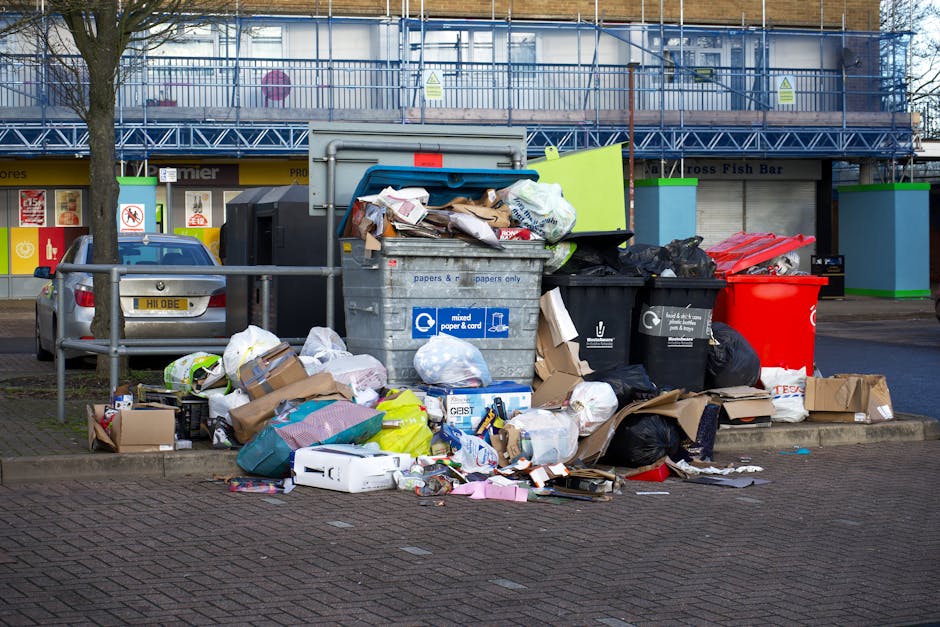
In Kensington, where flats can be compact and access can be tight, disposal is not just about lifting something to the kerb. You need to think about collection arrangements, local waste presentation rules, fly-tipping risks, and whether the item is simply unwanted or genuinely no longer fit for use. A soggy carpet dumped the wrong way can cause issues for neighbours and your building management, and nobody wants that awkward email chain at 8:12 on a Monday morning.
These rules also matter because cleaning services and disposal are not the same thing. A carpet cleaner may be able to restore the fibres, but they usually do not remove the carpet as waste unless that service is specifically arranged. The same goes for sofas. Upholstery cleaning is about recovery; waste disposal is about lawful removal. Mixing them up is one of the most common reasons jobs get delayed or overcomplicated.
Quick takeaway: cleaning makes an item usable again, while council waste rules govern what happens if the item is no longer wanted, no longer repairable, or too contaminated to keep.
For homeowners, tenants, landlords, and managing agents, understanding the difference helps avoid missed collections, extra handling costs, and avoidable complaints. It also makes end-of-tenancy jobs smoother. If you are preparing a property, it can be useful to read related guidance such as Kensington end-of-tenancy cleaning tips and costs and end of tenancy cleaning in South Kensington alongside disposal planning.
How Kensington council waste rules for carpet and sofa cleaning Works
At a practical level, the process usually falls into three stages: identify the item, decide whether it can be cleaned or must be discarded, then arrange the correct disposal route. That sounds neat on paper. In real life, people often end up doing a bit of both, especially after a long tenancy or a house move.
Here is the basic logic:
- Cleanable items stay in circulation. A carpet with surface soiling, or a sofa with general wear, may only need professional cleaning.
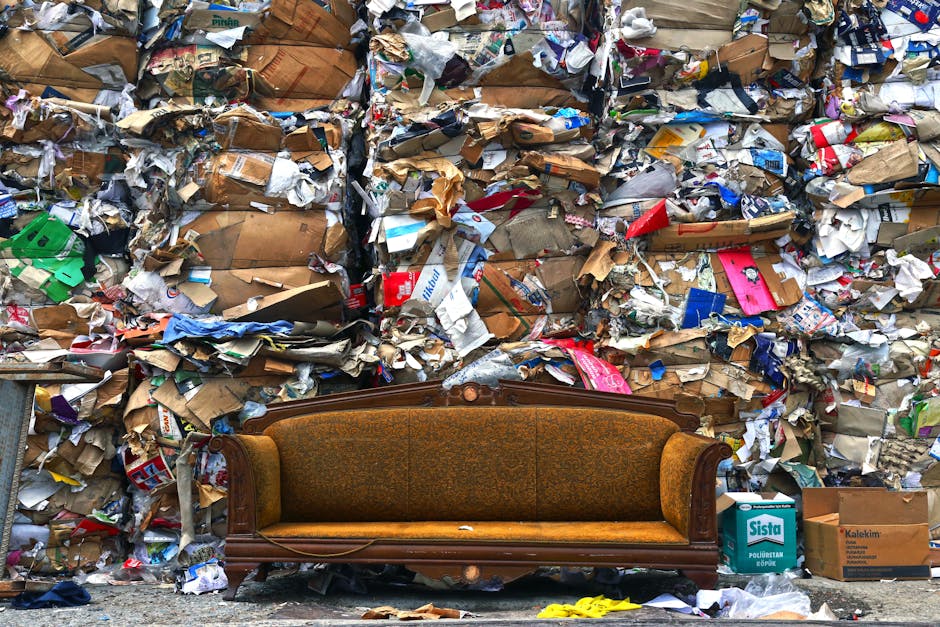
- Bulky waste items are large household items that cannot simply be tucked into a normal bin. Think old three-seater sofas, carpet rolls, underlay, or broken frames.
- Special case items may need extra care if they are heavily contaminated by mould, pests, body fluids, or chemical residues.
The council-side expectations are usually about putting waste out correctly, at the right time, in the right way, and using the right collection or disposal method. That may mean council bulky waste arrangements, private waste collection, or taking items to an appropriate facility if you have the means. The exact process can change depending on the item condition, building access, and collection availability, so it is worth checking the current local approach before you start dragging a sofa downstairs.
Carpet disposal deserves special attention because carpet is often treated as a bulky item, but the details matter. A fitted carpet removed during a refurb is different from a small rug. Underlay, grippers, and offcuts may need to be separated. Wet carpet can be extremely heavy, and if you have ever tried to carry one through a narrow staircase after a rainy afternoon in London, you will know it is not a charming task.
Sofa disposal has its own quirks. If the item has a damaged frame, exposed springs, stains, or infestation concerns, it may no longer be suitable for cleaning. In that case, disposal should be planned before the clean starts, not after. Otherwise you can end up paying for work on an item that was destined for removal anyway. That stings a bit.
For homes that are being refreshed rather than emptied, services such as upholstery cleaning in SW7 or carpet cleaning in South Kensington may be more suitable than replacement. If the item is past saving, then disposal rules become the priority.
Key Benefits and Practical Advantages
Following the right waste rules is not just about avoiding a problem. It creates a cleaner, calmer, more organised job from start to finish.
- Fewer collection delays: bulky items are more likely to be removed on schedule when they are prepared correctly.
- Lower risk of complaints: neighbours and building managers are less likely to object if waste is managed neatly.
- Less wasted spend: you avoid paying for cleaning work on items that should have been removed, or vice versa.
- Cleaner handovers: important for landlords, tenants, and sellers who need the property to present well.
- Reduced fire and obstruction risk: bulky items left in corridors or shared spaces create real practical issues.
There is also a quieter benefit: peace of mind. When the sofa is gone, the carpet is lifted, and the room is clean, the whole place feels lighter. Less clutter, less smell, less visual noise. You notice it when you walk in. It just feels done.
For commercial or property-related jobs, understanding waste rules can also help keep timelines tight. That matters if you are working around a completion date, a move-in day, or a property viewing. A good plan helps you avoid last-minute scrambles, especially in busy parts of Kensington where access windows can be narrow and everyone is trying to get something done at once.
Who This Is For and When It Makes Sense
This topic is relevant to more people than you might think. It is not only for waste contractors or landlords. In day-to-day life, the need shows up in ordinary situations.
- Tenants who need to leave a flat tidy and free of bulky waste.
- Landlords and letting agents who are deciding whether an item can be cleaned, repaired, or removed.
- Homeowners replacing tired living-room furniture or old fitted carpets.
- Executors or family members clearing a property after a move or change in occupancy.
- Businesses and office managers dealing with worn seating, reception furniture, or carpeted areas.
It makes sense to pay close attention whenever the item is bulky, visibly damaged, or likely to smell or hold contamination. For example, a sofa that has been badly soaked, heavily stained, or affected by pests is usually a disposal question rather than a cleaning question. The reverse is also true: a sofa that just looks dull may need deep upholstery cleaning and nothing more.
One useful way to think about it is this: if the item still has a decent life left in it, clean it. If it is structurally unsound, contaminated, or unsafe, remove it lawfully. Simple enough, really, though the judgement call can be a bit messy.
For property owners preparing for sale, the wider presentation side of the job can be just as important. You may find related reading in Kensington selling property tips and real estate buying tips for Kensington helpful when planning a tidy, market-ready home.
Step-by-Step Guidance
If you want to handle carpet and sofa cleaning without creating waste-rule problems, use a clear sequence. This is the part that saves stress.
- Inspect the item carefully. Look for rips, mould, smells, deep staining, sagging, and any structural damage. A quick glance is not enough. Lift cushions, check underneath, and notice whether the fabric is failing.
- Decide whether cleaning is realistic. If the item is mostly dirty, cleaning may be worthwhile. If the frame is broken or the carpet backing is falling apart, disposal may make more sense.
- Separate waste streams. Carpet, underlay, fabric offcuts, and furniture parts should not all be treated the same way. Keep them organised from the start.
- Prepare access routes. Measure stairwells, doors, lifts, and communal corridors. In Kensington homes, access is often the real challenge, not the item itself.
- Book the right service in the right order. If the item is to be cleaned before collection, schedule cleaning first. If it is being removed, arrange disposal before spending money on a deep clean.
- Place waste correctly for collection. Follow the relevant local presentation rules, including timing and placement. Do not leave items where they obstruct others.
- Keep proof of arrangements. A booking confirmation, job note, or email can help if there is any confusion later.
For larger household clearances, the order matters more than people realise. I have seen perfectly good cleaning work derailed because a sofa was booked for collection too late, or because the carpet had already been removed before anyone checked whether it could be salvaged. A small planning pause saves a lot of double handling.
Expert Tips for Better Results
The best results usually come from practical habits rather than fancy equipment. A few well-timed choices make the whole job smoother.
- Deal with the decision early. The longer you wait to choose between cleaning and disposal, the more likely the job becomes rushed.
- Do not clean around contamination. If a sofa or carpet has mould, pests, or heavy biological contamination, stop and assess properly. Cleaning may not be appropriate.
- Protect shared areas. Use dust sheets, corner protection, and careful lifting in hallways and stairwells. It keeps the building tidy and avoids complaints.
- Photograph the item before work starts. That is useful for tenants, landlords, and anyone managing a handover. It also helps avoid confusion if the item later gets removed.
- Check the cost of replacement versus recovery. Sometimes a deep clean is the smarter spend; sometimes it is just throwing good money after bad.
A small but important point: wet carpet and upholstery can look worse before they look better. If you have ever seen a sofa halfway through extraction, you will know it can look a bit alarming. That does not always mean the process has failed. It just means it is in the middle of being cleaned. Patience helps.
For busy household schedules, it can also help to book general upkeep before something becomes a waste issue. Regular care through domestic cleaning in SW7 or house cleaning in South Kensington can prevent a lot of build-up in the first place.
Common Mistakes to Avoid
Most problems come from rushing or assuming the item is simpler than it is. That is fair enough; everyone is busy. But a few mistakes keep showing up.
- Leaving bulky items outside too early. This can create obstruction, weather damage, and complaints from neighbours.
- Assuming a dirty item is automatically waste. Many carpets and sofas can be restored with proper cleaning.
- Forgetting underlay, legs, cushions, or fixings. These bits often create the real disposal headache.
- Mixing general rubbish with bulky waste. It makes sorting harder and can complicate collection.
- Not checking access before booking. A sofa that will not fit through a staircase is a problem you want to know about before collection day.
- Ignoring building rules. Some blocks have specific rules about lifts, waste storage, and collection timing.
There is also the old classic: booking a cleaner first and then remembering the sofa is actually going to be thrown away. That one happens more often than people admit. To be fair, nobody likes paying to restore something that will never be used again.
Tools, Resources and Recommendations
You do not need a huge toolkit, but a few practical items help you work more safely and keep the job tidy.
- Measuring tape: useful for checking doorways, stair turns, and lift dimensions.
- Heavy-duty gloves: helpful when handling sharp staples, broken frames, or rough carpet edges.
- Dust sheets or floor protection: especially important in shared hallways and stairwells.
- Strong bags or wraps for offcuts: keeps carpet scraps and small debris contained.
- Camera on your phone: a quick record before and after work is more useful than people think.
- Clear labels or notes: if multiple items are being moved, a simple written note stops mix-ups.
On the service side, it can help to review the full range of options before deciding. A quick look at services overview can make it easier to match the job to the right type of support. If you are comparing service quality and practical safeguards, pages such as insurance and safety and health and safety policy are also worth reading. Not glamorous, maybe, but very useful.
If you are arranging a one-off clean and want to understand how jobs are priced, pricing and quotes may help set expectations. Small, boring details. But they save arguments later.
Law, Compliance, Standards, or Best Practice
For this topic, the safest approach is to focus on lawful waste handling, duty of care, and practical best practice. UK waste obligations generally require waste to be handled responsibly, kept out of public nuisance, and passed to the correct collection or disposal route. That applies whether the item is a carpet roll, a broken sofa, or a bag of contaminated offcuts.
There is no single rule that turns every sofa into the same type of waste. The deciding factors are usually condition, contamination, and disposal method. If something is heavily contaminated, sharp, or unsafe to handle, treat it more cautiously. If it is simply old and bulky, plan for standard bulky waste handling rather than improvising on the pavement.
Best practice is straightforward:
- Do not abandon items in shared areas or on streets.
- Keep waste contained and identifiable.
- Arrange lawful collection in advance.
- Separate cleaning work from disposal work unless both are clearly needed.
- Keep records for landlord, tenant, or management handovers where useful.
If you are dealing with a tenancy end, it is especially wise to align waste removal with the broader handover plan. The practical side of this often overlaps with how to avoid hidden cleaning charges in Kensington High Street jobs and end of tenancy cleaning tips and costs, because once waste and cleaning are split into separate jobs, costs become easier to control.
One more thing: if you are not sure whether an item is fit to keep, sell, donate, or discard, err on the side of caution. Guessing is how people end up making extra trips. Nobody needs that.
Options, Methods, or Comparison Table
Choosing the right route depends on the item's condition and your timeline. Here is a simple comparison to help you decide.
| Option | Best for | Pros | Watch out for |
|---|---|---|---|
| Professional carpet cleaning | Carpets with stains, dust, or everyday wear | Extends the life of the carpet, improves appearance, avoids waste | Not suitable if backing is damaged or contamination is severe |
| Upholstery cleaning | Sofas and fabric seating that are structurally sound | Refreshes the look, removes odours, supports better hygiene | Not a fix for broken frames or deep structural failure |
| Bulky waste collection | Unusable carpets, old sofas, broken furniture | Clear disposal route, less clutter, easier handover | Needs proper booking, access planning, and correct placement |
| Replacement | Items that are too worn, unsafe, or uneconomical to repair | Long-term fix, better finish, fewer repeat issues | Can cost more upfront; disposal still needs managing |
As a rule of thumb, cleaning is usually the better option when the item is basically sound. Disposal is usually the better option when the structure or hygiene standard has gone too far. Simple, but not always obvious when you are in the middle of a room looking at a stained sofa and wondering if it can be rescued. Sometimes yes. Sometimes not even close.
Case Study or Real-World Example
Imagine a two-bedroom flat in Kensington after a long tenancy. The living-room carpet is flattened and dusty, but it is still intact. The sofa, however, has a broken side rail and a stubborn damp smell from an old spill that never fully cleared.
In that situation, the carpet is a cleaning candidate. It may benefit from a proper deep clean, especially if the tenant wants the flat to present well for inventory or sale. The sofa is a different story. If the frame is compromised and the smell suggests deeper damage, cleaning might make it look better for a while, but it would not solve the underlying issue.
The sensible approach is to clean the carpet, arrange the sofa as bulky waste, and schedule the jobs in that order. That avoids wasting time on a piece of furniture that is headed for disposal anyway. It also keeps the property tidy and reduces the chance of a last-minute scramble on collection day.
This kind of planning is especially useful in London where access can be tight, lifts are shared, and stairwells are never quite as generous as you hoped they'd be. A clear plan makes the whole thing feel manageable, and honestly, that matters.
Practical Checklist
Use this checklist before you book, clean, or dispose of anything bulky.
- Check whether the carpet or sofa is repairable or worth cleaning.
- Inspect for mould, pests, strong odours, deep staining, or frame damage.
- Measure access routes, including doors, stairs, and lifts.
- Separate carpet, underlay, cushions, and loose parts.
- Confirm whether you need cleaning only, disposal only, or both.
- Plan the order of work so nothing is done twice.
- Keep shared spaces protected and clear.
- Book bulky waste collection or removal in advance if needed.
- Keep records for tenancy, landlord, or property handover purposes.
- Double-check local collection timing before placing items out.
If you are managing a busy property, you may also find related operational reading useful, such as same-day carpet cleaning near South Kensington Station and the Royal Albert Hall event cleaning service checklist, especially when timing and access are tight.
Conclusion
Kensington council waste rules for carpet and sofa cleaning are easiest to handle when you separate three questions: can the item be cleaned, should it be removed, and how should it be presented or collected? That little bit of order removes most of the stress. It also helps you avoid the common trap of paying for the wrong job.
For carpets and sofas that are still structurally sound, cleaning can restore appearance and usability without creating unnecessary waste. For items that are broken, contaminated, or clearly past their best, lawful disposal is the cleaner, safer route. The key is to decide early, keep access in mind, and plan the sequence properly. Nothing fancy. Just good judgement and a bit of patience.
Get a free quote today and see how much you can save.
And if all you really wanted was a room that feels calmer, brighter, and less cluttered by the end of the day, that is a very fair goal. Sometimes the smallest practical fix makes the biggest difference.