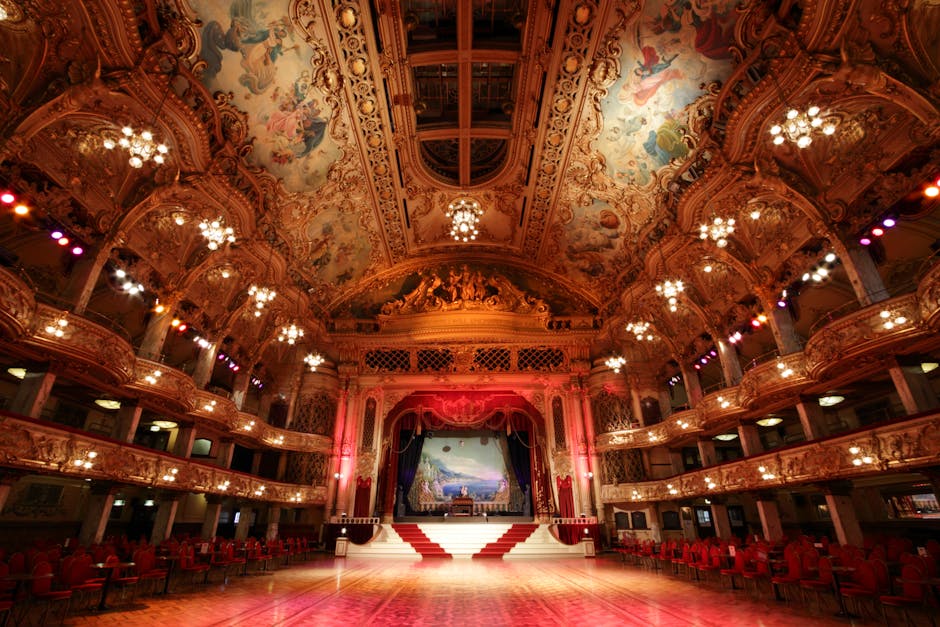
Royal Albert Hall event cleaning service checklist
Posted on 28/05/2026
Royal Albert Hall Event Cleaning Service Checklist
Planning cleaning for an event at the Royal Albert Hall is a different sort of job. The venue is iconic, the footfall can be heavy, and the expectations are high. A good Royal Albert Hall event cleaning service checklist keeps the whole operation calm, efficient, and properly organised before guests arrive and after the last chair is stacked away. It is not just about making things look tidy. It is about presentation, safety, turnaround time, and protecting a world-class venue from avoidable wear and tear.
If you are coordinating a concert, private event, corporate function, or high-end reception, the cleaning plan needs to be thought through in layers. Floors, toilets, public touchpoints, waste, backstage areas, carpet care, upholstery, spill response, and post-event reset all matter. Miss one detail and it tends to show. Usually at the worst possible moment, naturally.
This guide breaks the process down into practical steps, explains why the checklist matters, and shows how to organise event cleaning in a way that feels professional rather than frantic. You will also find a realistic checklist, a comparison of approaches, and a few useful internal resources if you want to explore related cleaning services in the area.
For readers who are also thinking about wider venue support, our services overview is a helpful place to understand how different cleaning tasks fit together. If carpets or soft furnishings are part of your event space, you may also find the guidance on carpet cleaning in South Kensington and upholstery cleaning in SW7 useful.
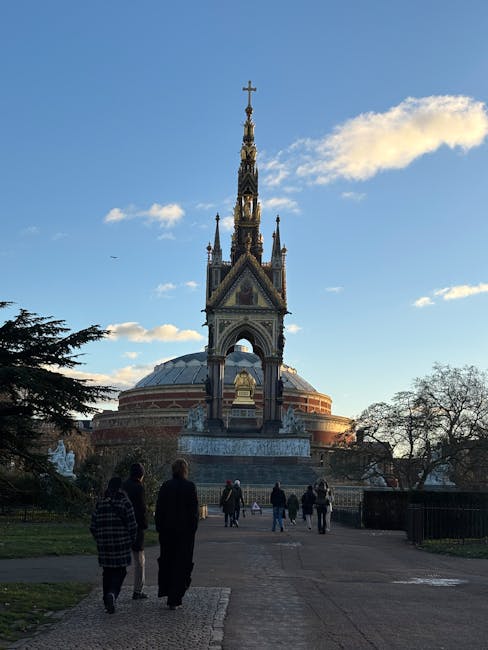
Why Royal Albert Hall event cleaning service checklist Matters
The Royal Albert Hall is not a casual venue where someone can sweep through with a bin bag and call it done. Its scale, architecture, and event profile demand a more disciplined approach. Guests notice the details. So do performers, event managers, catering teams, and venue staff. A sticky floor near a bar, a missed restroom refresh, or a carpet mark in a visible aisle can change how an event feels in seconds.
A proper event cleaning checklist matters for four main reasons:
- Presentation: First impressions count, especially in a prestigious London venue.
- Safety: Spills, trip hazards, and overfilled bins can create unnecessary risk.
- Turnaround: Events often run close together, so cleaning needs to be fast and coordinated.
- Protection of assets: Historic and high-value interiors need careful handling, not rushed work.
To be fair, even experienced teams can miss something when the pace picks up. A checklist is what stops a small oversight from becoming a visible problem. It also helps different people work together without stepping on each other's toes. Bar teams know what they are responsible for, cleaners know which zones need priority, and the event lead can check progress without guesswork.
There is also a reputational angle. In premium venues, cleaning is part of the experience. Guests may not consciously praise a spotless floor, but they absolutely notice when things feel off. That quiet sense of order is often what makes the whole event feel polished.
How Royal Albert Hall event cleaning service checklist Works
At its simplest, the checklist is a structured way to divide cleaning into stages. Instead of treating the venue as one big job, you split it into zones and timeframes. That usually means pre-event cleaning, during-event maintenance, and post-event deep clean. Each phase has different priorities.
Before the event, the focus is on readiness: dust-free surfaces, spotless floors, clean toilets, waste stations in place, and any visible smears removed. During the event, the focus shifts to touchpoint cleaning, waste removal, and quick spill response. After the event, the work becomes heavier: bin clearance, stain treatment, vacuuming, mopping, sanitising, and reset.
A useful checklist also assigns tasks by area. For example:
- Public areas: foyers, entrances, corridors, stairways, seating edges
- Guest facilities: toilets, washrooms, baby-change spaces if used
- Back-of-house: green rooms, storage, loading areas, staff routes
- Event-specific zones: dining spaces, bars, cloakrooms, exhibition setups
That zone-based approach is practical because event cleaning is rarely uniform. One area might be spotless while another has drinks spills, tracked-in dirt, or paper waste building up. The checklist helps the team prioritise properly instead of cleaning in circles. And yes, circles happen more than people admit.
In a venue like the Royal Albert Hall, the team also needs to think about access windows, noise, and timing. Some tasks can only happen when guests have left a certain zone. Others need to be done quietly and discreetly. Good planning avoids disruption.
Key Benefits and Practical Advantages
A well-built cleaning checklist gives you more than cleanliness. It gives you control. That sounds simple, but in live events control is everything.
1. Better guest experience
People feel comfortable in a venue that looks cared for. Clean surfaces, fresh-smelling washrooms, and tidy seating areas make a space feel premium without anyone having to say so out loud.
2. Faster turnaround between events
When cleaning duties are already mapped out, the team can move quickly from one space to another. That matters when the next event is close behind. There is less confusion, fewer delays, and fewer last-minute scrambles.
3. Lower risk of damage
Careful use of materials, the right cloths and chemicals, and proper handling of carpets and upholstery reduce wear. On a grand-scale venue, that is no small thing.
4. Easier supervision
A manager can check off completed areas and spot gaps early. That makes handovers cleaner too. No one enjoys the "I thought someone else did it" conversation. Nobody.
5. More consistent standards
With a repeatable checklist, every event is measured against the same baseline. Whether it is a private gala or a business conference, the standard stays steady.
If you are looking for broader cleaning support beyond event work, the team pages for house cleaning in South Kensington and domestic cleaning in SW7 show how routine standards can translate into more specialised environments too. A good cleaning mindset is transferable. The setting changes; the discipline does not.
Who This Is For and When It Makes Sense
This checklist is useful for anyone responsible for event hygiene and presentation at or around the Royal Albert Hall. That includes event planners, venue managers, facilities teams, caterers, production crews, and external cleaning contractors.
It is especially relevant when the event involves any of the following:
- large guest numbers
- food and beverage service
- multi-room layouts
- VIP or formal receptions
- stage setup and technical equipment
- short setup-to-clearaway timeframes
- high-traffic entry and exit points
It also makes sense when you are dealing with fragile interior finishes or mixed surfaces. A carpeted area, polished stone, upholstered seating, and temporary event furniture each need a different touch. Truth be told, that is where a lot of rushed jobs go wrong. One cleaner can't treat everything the same and expect a good result.
For teams handling events alongside property or occupancy changes, related reading can also help with planning. The post on Kensington end of tenancy cleaning SW7 tips and costs is useful if your event schedule overlaps with move-out cleans or pre-handover resets. Similarly, elite party locations in Kensington offers local context for high-end event planning.
Step-by-Step Guidance
If you want the checklist to work in real life, it needs to be simple enough to use under pressure. Here is a practical step-by-step structure.
Step 1: Walk the venue and define the cleaning zones
Start with a full walk-through. Identify public-facing areas, hidden corners, back-of-house spaces, and any temporary event build. Note surfaces that need special care. A quick visual survey now saves a lot of chasing later.
Step 2: Separate pre-event, live-event, and post-event tasks
Not everything belongs in one bucket. Before the event, focus on presentation. During the event, focus on maintenance. After the event, focus on reset and deeper hygiene tasks.
Step 3: Allocate responsibilities clearly
Assign tasks by zone and by time. For example, one person may handle toilets, another the foyer, another the main hall perimeter, and another waste collection. Clear ownership stops gaps appearing.
Step 4: Prepare the kit
Check equipment, stock, and consumables before the event begins. You do not want to discover a missing mop head halfway through a spill. That sort of thing is oddly common, and always inconvenient.
Step 5: Set response rules for spills and incidents
Decide what counts as immediate action. Drink spill? Clean it at once. Broken glass? Secure the area. Heavy contamination? Escalate. The cleaner should not have to improvise basic safety decisions in the middle of a busy service.
Step 6: Build in inspection points
Use short check-ins at key moments: before doors open, midway through service, and before final sign-off. This helps catch issues early rather than after the last guest has gone.
Step 7: Complete a final walk-through
Once the event is over, do a final inspection. Look for missed items, odours, visible marks, damaged items, and any waste left behind. The room should feel ready for the next use, not just "mostly okay".
For managers comparing service types, our office cleaning SW7 page gives a useful sense of how scheduled maintenance differs from event-based cleaning. The principles overlap, but the pace and priorities change quite a bit.
Expert Tips for Better Results
Here is where the small details do the heavy lifting.
- Prioritise visible touchpoints first. Handles, rails, counters, switches, and restroom fixtures send the strongest visual signal.
- Use colour-coded cloths and mop systems. It reduces cross-contamination and keeps teams organised. Very basic, very effective.
- Keep spare consumables close by. Toilet paper, bin liners, soap, paper towels, and cleaning cloths should not be in a distant cupboard.
- Protect high-value finishes. Use the mildest suitable method for stone, wood, fabric, and polished surfaces.
- Schedule a second look after peak footfall. A room can look fine at 7:00 pm and need attention by 9:30 pm.
- Communicate with catering and production. Cleaning should move around the event, not against it.
A small but useful habit is to keep a short "problem list" during the event. If a doorway gets muddy, a carpet corner is fraying, or a toilet paper dispenser jams, note it immediately. You will thank yourself later. Possibly with a cup of tea, which feels deserved by that point.
Another tip: if your event includes soft seating or lounge setups, plan for spot treatment rather than broad, aggressive cleaning. That is where services like upholstery cleaning in SW7 can be relevant, especially for fabric chairs and sofa-style arrangements.
Common Mistakes to Avoid
Most event cleaning problems are not dramatic. They are small misses that stack up. The good news? Most are avoidable.
Leaving the plan too vague
If the checklist says "clean toilets" and nothing else, that is not enough. Break it down: bins, sinks, taps, mirrors, floors, supplies, odour control, and final inspection.
Underestimating access and timing
Large venues have movement restrictions, security considerations, and busy handover windows. Build your schedule around reality, not wishful thinking.
Ignoring back-of-house areas
Guests may never see the loading bay or staff corridor, but those areas still affect operations and hygiene.
Using the wrong products
Not every surface likes the same chemical. Aggressive products can dull finishes or leave residue. Always match the product to the material.
Forgetting waste flow
Full bins create smells, clutter, and a poor impression. Waste removal should be ongoing, not left for the end.
Skipping a final inspection
This is the classic one. Everything looks done, until you spot a missing glass, a wet patch, or a paper towel behind a display stand.
The real mistake, though, is treating event cleaning like routine domestic cleaning. It is related, but not the same beast. If you need a reminder of how different schedules can affect service quality, have a look at Kensington selling property tips and real estate buying tips for Kensington for a sense of how presentation-driven spaces rely on consistency. Different goal, same basic truth: details matter.
Tools, Resources and Recommendations
You do not need a mountain of equipment, but you do need the right kit for the venue and the event type. A sensible event cleaning setup usually includes:
- microfibre cloths in suitable colour groups
- flat mops and spare mop heads
- vacuum cleaners suitable for carpets and hard floors
- neutral or surface-appropriate cleaning solutions
- bin liners in multiple sizes
- gloves and basic PPE
- spill kits for drinks and food accidents
- signage or cones for wet floor areas
- checklists in printed or digital form
- extra toiletries and consumables for toilets
If you are planning work around a venue with mixed flooring, it is worth looking at specialist support for carpets as well as upholstery. You can explore the relevant service pages for carpet care in South Kensington and upholstery cleaning SW7 to understand what a more tailored approach looks like.
For bigger planning questions, the practical pages on pricing and quotes, insurance and safety, and health and safety policy can help you think about responsibility, expectations, and cover. That sort of admin is not glamorous, but it is where good service starts.
Law, Compliance, Standards, or Best Practice
For event cleaning, compliance is usually less about one dramatic rule and more about doing the basics properly. In the UK, that means following sensible workplace health and safety practice, using cleaning chemicals responsibly, and making sure staff are trained for the tasks they are asked to do.
At a practical level, that often includes:
- safe manual handling when moving waste or equipment
- appropriate personal protective equipment where needed
- clear reporting for spills, hazards, or incidents
- careful storage and use of cleaning products
- awareness of public access routes and trip risks
- respect for venue-specific procedures and security controls
If a venue or event organiser has its own standards, those should take priority in the day-to-day plan. That may sound obvious, but in busy operations people sometimes assume "the cleaner will know". Better not to assume. Better to brief properly.
There is also a trust side to compliance. A cleaning provider that handles documentation, safety, and communication well is usually easier to work with on pressured event days. If you want to get a feel for the company's wider operating standards, the pages on about us, terms and conditions, payment and security, and complaints procedure are worth reviewing.
Options, Methods, or Comparison Table
There is no single right way to clean an event space, but there are different approaches depending on the size of the job and the pace of the event. Here is a simple comparison.
| Approach | Best For | Strengths | Limitations |
|---|---|---|---|
| Basic reactive cleaning | Small gatherings with low footfall | Simple, flexible, inexpensive | Easy to miss issues; less suitable for prestige venues |
| Scheduled zone-based cleaning | Most live events and receptions | Clear responsibilities; good coverage; easier supervision | Needs planning and coordination |
| Dedicated full-service event cleaning | Large-scale or high-profile events | Strong consistency; rapid response; better standards control | Requires more staff and tighter logistics |
For a venue like the Royal Albert Hall, the zone-based or full-service approach is usually the more realistic fit. Reactive cleaning alone can leave too much to chance, especially when guest numbers rise or catering is involved. Nobody wants to be chasing a spill with a tea towel and a hopeful expression.
If the event forms part of a wider hospitality or locality plan, the article on community insights in Kensington can add a helpful sense of place. And if you are working through a local event pipeline, historical Kensington is a nice reminder of why this part of London carries such a strong sense of occasion.
Case Study or Real-World Example
Imagine a corporate reception with staged speeches, drinks service, and more than one room in use. The front-of-house space needs to look immaculate from the moment guests walk in. The toilets need regular checks. Glassware areas collect drips and rings. The carpet at the entrance picks up street moisture, especially if the weather turns. And the staff corridor? That becomes a quiet little highway of boxes, trays, and half-finished tasks.
Without a checklist, the cleaning team spends time reacting to what they happen to notice. With a checklist, the work becomes predictable. One person handles waste collection every twenty minutes. Another does a quick pass of the foyer. A third checks toilets and replenishes consumables. The supervisor does a final walk-through before the event closes.
The result is not just a cleaner venue. It is a calmer event. The catering team has fewer interruptions, guests see a more polished environment, and the venue team has less to sort out after midnight. That final point matters more than people expect. A smoother close-out can save real energy the next morning.
For event planners comparing service support across different job types, the post on end of tenancy cleaning tips and costs in Kensington also shows how structured checklists reduce stress in another high-pressure setting. Different scene, same principle: order beats panic every time.
Practical Checklist
Here is a practical checklist you can adapt for Royal Albert Hall event cleaning. Keep it simple, but specific.
Before the event
- Inspect all event zones and identify priority areas
- Vacuum carpets and clean hard floors
- Dust visible surfaces, ledges, and touchpoints
- Check toilets, replenish supplies, and clean fixtures
- Prepare waste stations and spare liners
- Confirm spill kits and cleaning equipment are in place
- Review access routes and any restricted zones
During the event
- Monitor entrances and high-traffic routes
- Remove waste before bins overflow
- Wipe touchpoints as needed
- Respond quickly to drink spills and food accidents
- Check toilets regularly for supplies and cleanliness
- Keep corridors and service areas clear
- Report hazards or damage immediately
After the event
- Collect all waste and dispose of it properly
- Clear cups, bottles, napkins, and leftover materials
- Vacuum, mop, and spot-clean floors
- Treat stains promptly where appropriate
- Clean and reset toilets and wash areas
- Check furniture, soft furnishings, and fixtures for damage
- Complete a final inspection and sign-off
Quality check
- Are all visible areas clean and presentable?
- Are bins empty and bags replaced?
- Are toilets fully stocked and odour-free?
- Are floors dry and free from slip hazards?
- Has every assigned zone been signed off?
Expert summary: The best event cleaning checklist is not the longest one. It is the one that matches the venue, the event type, and the actual turnover window. Keep it practical, assign ownership clearly, and review it after each event so it gets better, not just busier.
If you are setting up long-term cleaning support for the wider area, the page on house cleaning South Kensington may also be useful if your team wants a broader sense of scheduling, standards, and service consistency. One tidy operation usually supports another.
Conclusion
A Royal Albert Hall event cleaning service checklist is really a planning tool disguised as a cleaning document. It helps teams stay calm, keep standards high, and protect one of London's most recognisable venues from the usual event-day chaos. When it is done well, nobody thinks about the checklist itself. They just notice that the event flows smoothly, the venue looks right, and the whole experience feels under control.
That is the whole point, really. Good cleaning should feel almost invisible while still doing a lot of heavy lifting behind the scenes.
Get a free quote today and see how much you can save.
If you are comparing providers, asking for a breakdown of zones, timings, and responsibilities is a smart next step. A clear conversation at the start usually prevents awkward surprises later, and it makes the whole job easier for everyone involved.