Health and Safety Policy for Cleaners SW7
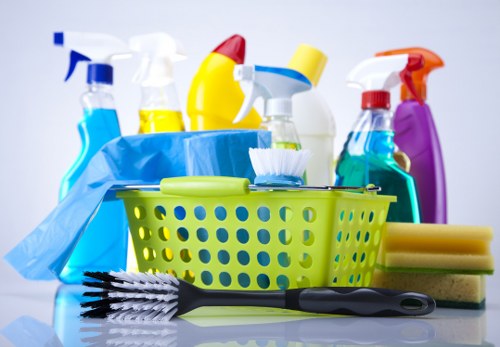 Our health and safety policy for Cleaners SW7 sets out a clear commitment to safe, responsible, and consistent cleaning practices. It is designed to protect clients, cleaners, visitors, and anyone else who may be affected by cleaning activities. A strong safety culture supports better results, reduces avoidable incidents, and helps every cleaning task run smoothly. Whether the work involves domestic properties, shared spaces, or more complex environments, our standards remain focused on prevention, awareness, and care.
Every cleaner is expected to follow safe working methods at all times. This includes assessing tasks before beginning, using the correct equipment, and applying products exactly as instructed. The aim is to reduce risk while maintaining a high standard of cleanliness. We recognise that professional cleaning can involve wet floors, electrical equipment, chemicals, manual handling, and repetitive tasks, so our approach is built around practical controls and sensible habits.
Health and safety in cleaning is not limited to reacting to problems after they happen. It begins with preparation, training, and the right use of resources. Cleaners are encouraged to work with careful attention to their surroundings, to keep work areas tidy, and to report hazards promptly. Cleaners SW7 may operate in busy or sensitive settings, so awareness and communication are essential parts of this policy.
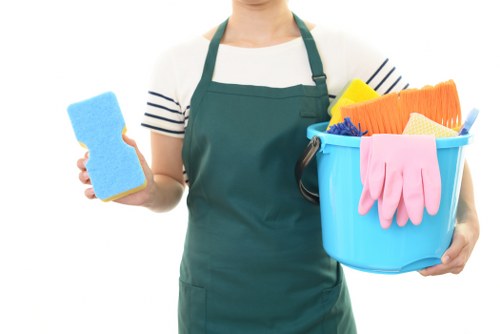 Risk assessment is a central part of safe cleaning practice. Before any task starts, cleaners should consider the surface, the products involved, the condition of the area, and whether any special precautions are needed. For example, extra caution is required near stairs, fragile items, or freshly polished floors. If a task appears unsafe, it should be paused until the issue has been addressed. This policy encourages proactive thinking rather than rushed action.
Cleaning products must be used safely and stored correctly. Labels should always be read, and products should never be mixed unless specifically approved. Personal protective equipment, such as gloves or eye protection, should be used when necessary. This is particularly important when handling stronger detergents or disinfectants. By following these rules, cleaning services SW7 can reduce the chance of skin irritation, breathing issues, and accidental exposure.
Manual handling also requires careful attention. Lifting bins, moving furniture, carrying equipment, and transporting supplies can all create strain if not done correctly. Cleaners should bend their knees, keep loads manageable, and ask for support when an item is too heavy or awkward. Good posture and measured movement help prevent injuries and support long-term wellbeing across all cleaning work.
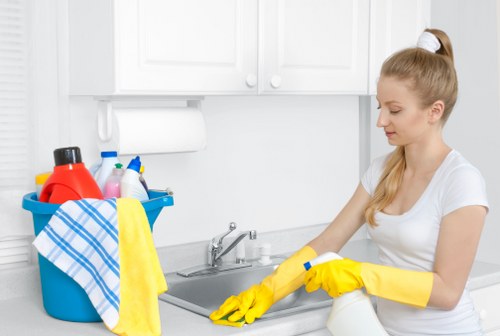 Equipment safety is equally important. Vacuums, mops, extension leads, and other tools must be checked before use and kept in proper working condition. Damaged equipment should be removed from service immediately and reported through the correct process. Electrical items must not be handled with wet hands or used in unsafe conditions. A reliable equipment routine helps cleaners in SW7 carry out their duties efficiently while minimising avoidable hazards.
Training and supervision form another key part of the policy. All cleaners should understand safe methods, emergency actions, hygiene expectations, and the correct use of products and tools. New staff should receive clear instruction before working independently, and ongoing refresher training should be provided where needed. A well-trained team is more confident, more consistent, and better able to maintain safe standards in changing environments.
Personal hygiene is also essential. Cleaners should wash hands regularly, especially after handling waste, chemicals, or soiled materials. Work clothing should remain clean and suitable for the task, and cuts or skin irritation should be covered where appropriate. These simple steps support both worker safety and the overall cleanliness of the environment. Small habits often make the biggest difference in daily cleaning routines.
Emergency procedures must be understood by everyone involved. In the event of a spill, injury, fire alarm, or other urgent issue, cleaners should stop work where safe to do so and follow the relevant procedure. Spills should be contained and cleaned promptly using the correct method. First aid supplies and incident reporting processes should be available and understood. Quick, calm responses are a vital part of any health and safety policy for cleaners.
Waste management must also be handled safely. Refuse should be collected regularly, bags should not be overfilled, and hazardous waste must be treated according to its specific requirements. Sharps, broken glass, and contaminated materials need extra caution to prevent cuts or exposure. Cleaners should never compress waste by hand, and suitable containers should be used whenever necessary. Proper waste handling protects the cleaner and everyone who uses the space.
 To maintain high standards, this policy should be reviewed regularly and updated when working methods, equipment, or risks change. Safe cleaning depends on consistency, communication, and a willingness to improve. Every cleaner has a responsibility to work carefully, speak up about concerns, and support a safe environment for others. The policy is not only a set of rules; it is a practical framework for reliable, respectful, and well-managed service.
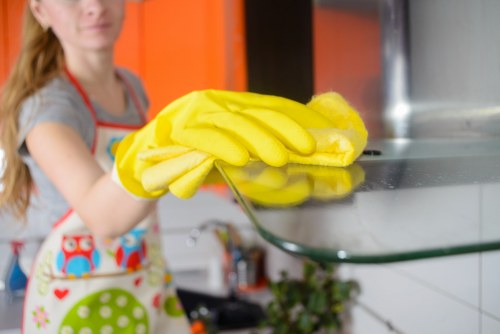 In summary, Cleaners SW7 is committed to safe practices that protect people, property, and service quality. By focusing on risk assessment, correct product use, safe handling, equipment checks, training, and emergency awareness, we create a working environment where safety is built into every task. This approach helps ensure that professional cleaning remains effective, controlled, and dependable.